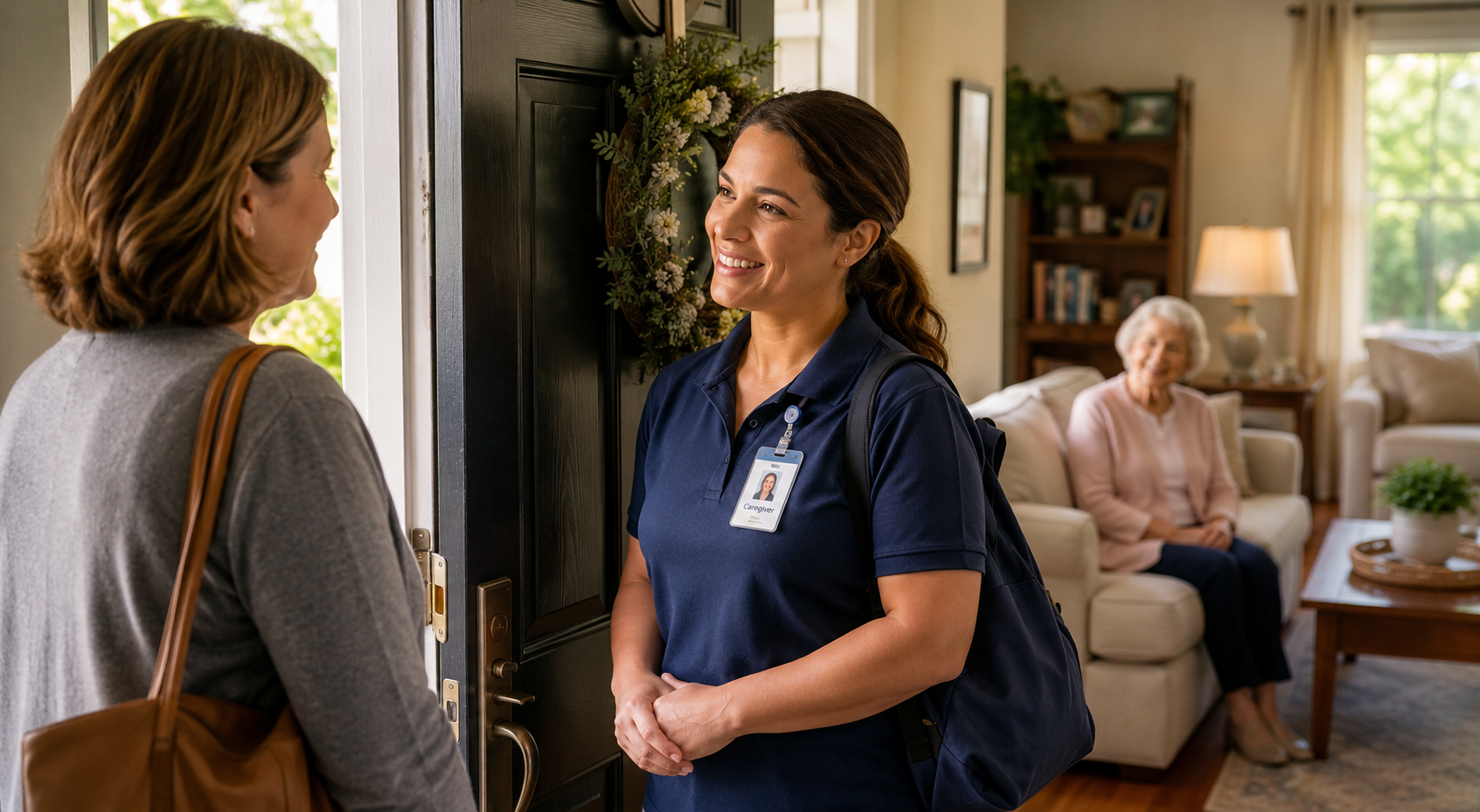
More than 59 million Americans provide unpaid care to a family member, and the vast majority are running on empty. According to the Caregiver Action Network, only 23% of family caregivers report having good mental health, and 40% say their caregiving responsibilities negatively impact their stress levels. That is a staggering picture, and yet so many families quietly push through, convinced that asking for help means they are failing someone they love.
In-home respite care exists precisely for this moment: when a devoted daughter has not slept a full night in weeks, when a husband is too exhausted to manage his own health, when a family is stretched to its absolute limit. Respite care is not abandonment. It is a lifeline.
This article breaks down exactly what in-home respite care is, who it helps, how it works, and why taking a break is one of the most important things a caregiver can do, for themselves and for the person they are caring for.
What Is In-Home Respite Care?
The word “respite” simply means a short period of rest or relief. In the context of elder care, in-home respite care refers to temporary, professional caregiving support provided inside the senior’s own home, specifically so that the primary family caregiver can step away, recover, and attend to their own needs.
This is different from permanent home care, live-in care, or placement in an assisted living facility. Respite care is not a transition. It is a break.
The family caregiver remains the primary decision-maker and primary caregiver. A trained professional simply steps in temporarily to maintain the same level of care while that caregiver is away.
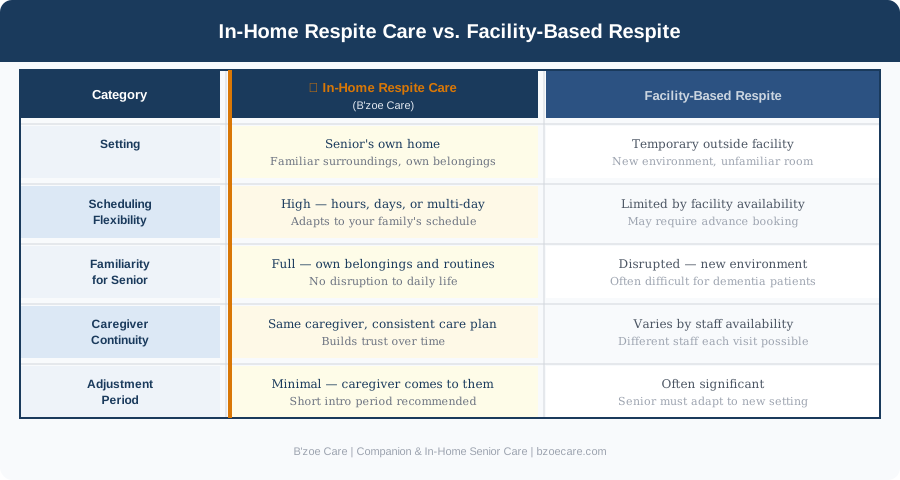
What Sets It Apart from Permanent Home Care
Respite care can look different depending on the family’s needs. Some families schedule it regularly, a few hours every week or a full day each month. Others use it as needed for vacations, medical appointments, work travel, or personal emergencies.
The scheduling flexibility is one of the things that makes it such a practical solution. Arranging respite care is an act of responsibility, not a sign of giving up.
It acknowledges that caregiving is a marathon, not a sprint, and that sustaining it over months or years requires real, intentional rest.
Why Staying Home Matters for Your Loved One
Perhaps most importantly, in-home respite care keeps the senior in their own familiar surroundings. There is no disorienting move to a temporary facility, no unfamiliar room, and no adjustment to a new environment.
The professional caregiver comes to them. This is especially valuable for seniors living with dementia or those who are particularly sensitive to changes in routine.
Stability at home is not just a comfort preference. It is a meaningful health consideration, one that shapes how the entire care arrangement is structured.

Are You Showing Signs of Caregiver Burnout?
Caregiver burnout rarely arrives all at once. It builds slowly, and by the time most caregivers recognize it, they are already deep in it. Understanding the warning signs early is the difference between a manageable situation and a crisis.

Physical and Emotional Warning Signs to Watch For
Physical exhaustion is often the first thing families notice. This is not ordinary tiredness at the end of a long day. It is the kind of fatigue that does not improve with sleep, the kind that follows a caregiver into every morning.
Frequent illness is common too, because chronic stress suppresses the immune system in measurable ways. A caregiver who is constantly catching colds or infections is a caregiver whose body is sounding an alarm.
Emotional warning signs are just as serious, even if they are harder to name. Persistent irritability, feelings of resentment toward the person being cared for, and withdrawal from friends and personal interests are all signs that something is wrong. These are not character flaws. They are symptoms of a person who has been giving too much for too long without enough support.
When Burnout Becomes a Bigger Problem
Cognitive symptoms show up too: difficulty concentrating, increased forgetfulness, and a kind of mental fog that makes even simple decisions feel overwhelming. Caregivers sometimes describe this as being unable to think clearly about anything outside of their caregiving responsibilities.
Behavioral red flags include skipping personal medical appointments, abandoning hobbies entirely, and deepening social isolation. When a caregiver stops taking care of themselves, the quality of care they provide inevitably declines as well. This is not a moral failing. It is physiology.
Women make up 60% of unpaid caregivers in the United States, and many are simultaneously managing childcare, employment, and household responsibilities on top of elder care. If any of these signs feel familiar, the right response is not to push harder. It is to ask for help.
How In-Home Respite Care Works
For families unfamiliar with professional home care, the process of getting started can feel intimidating. In practice, it is designed to be straightforward and, above all, to minimize disruption to the senior’s routine.
The Intake and Matching Process
A quality home care agency begins with a thorough intake process. This typically involves a conversation with the family and, when appropriate, with the senior directly. The goal is to understand the senior’s care needs, daily routine, preferences, personality, and any specific medical or cognitive considerations.
From there, the agency works to match the senior with a caregiver who is not only qualified but also a good personal fit. Continuity is what separates a good respite arrangement from a disruptive one.
The respite caregiver should be able to step in and maintain the same routines, preferences, and quality of support the senior already relies on. Meals prepared the way the senior likes them. Medications managed on the right schedule. Familiar activities and conversation, not generic entertainment.
Most agencies also recommend a brief trial period before regular respite visits begin. This gives the senior and the caregiver a chance to get comfortable with each other while the primary family caregiver is still present. It is a small investment of time that pays off significantly in the long run.
What Does a Respite Caregiver Actually Do?
The types of tasks a respite caregiver handles span both personal care and practical daily support. Each visit is guided by the established care plan, ensuring consistency from one session to the next.
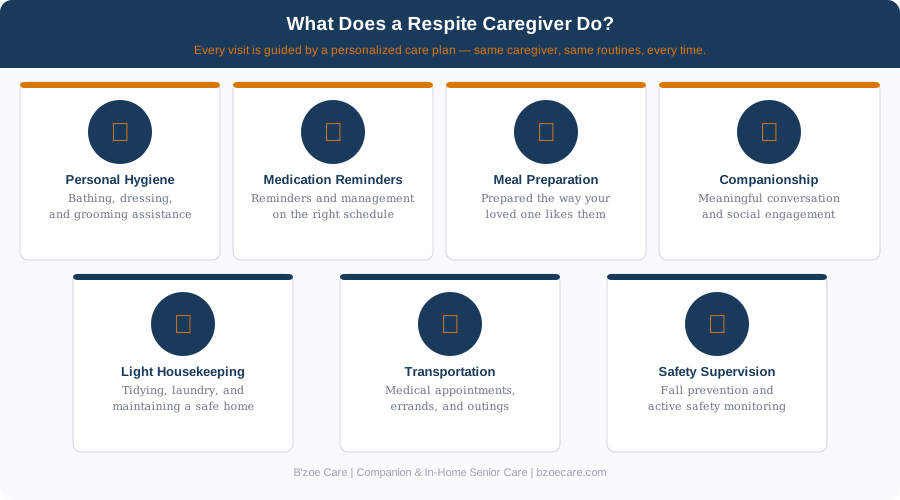
- Personal hygiene assistance, including bathing, dressing, and grooming
- Medication reminders and management
- Meal preparation and assistance with eating
- Companionship and social engagement
- Light housekeeping and laundry
- Transportation to medical appointments and errands
- Safety supervision and fall prevention
Scheduling is flexible by design. Families can arrange care for as few as a couple of hours per week or as much as full-day, overnight, or multi-day coverage for longer breaks. This adaptability is one of the features that makes respite care work for such a wide range of family situations.
The Real Benefits of Respite Care for Family Caregivers
The benefits of respite care for family caregivers go well beyond simply getting more sleep, though that alone is significant. Physical, emotional, relational, and professional outcomes all improve when caregivers take regular, supported breaks.
Better Rest Means Better Care
Physically, regular breaks allow caregivers to recover from the sustained demands of caregiving. Sleep quality improves, the immune system gets a chance to stabilize, and caregivers who take respite time are more likely to keep their own medical appointments and manage their own chronic conditions.
Mentally and emotionally, the relief is just as real. Reduced anxiety, lower rates of depression, and a restored sense of personal identity are all documented outcomes among caregivers who access regular respite support. Many caregivers describe returning from even a short break feeling like themselves again, with renewed patience and capacity for the person they love.
Relationships benefit too. Caregiving can quietly crowd out marriages, friendships, and parent-child bonds. Respite care creates space for those relationships to breathe.
The Counterintuitive Finding About Caregiver Breaks
Perhaps the most important finding from research on caregiver wellbeing is this: caregivers who take regular breaks consistently provide better care than those who do not. Rest restores patience, attentiveness, and emotional availability.
For caregivers who are also employed, a reliable respite arrangement can make the difference between sustaining employment and being forced to leave the workforce entirely. That professional continuity is an underappreciated benefit that rarely gets discussed.
Families that integrate respite care into their routine are also far more likely to maintain a home care arrangement long-term, rather than eventually being driven toward facility placement simply because the primary caregiver burned out. That outcome matters for the whole family.

How Does Respite Care Benefit the Senior?
It would be a mistake to think of respite care as something that only benefits the caregiver. The senior gains real, meaningful value from it as well.
Social Connection Is More Than a Comfort
Social stimulation is one of the most immediate benefits. The U.S. Surgeon General’s 2023 advisory on loneliness identified social isolation as a significant health risk among older adults, comparable in impact to smoking 15 cigarettes per day. A new, engaged companion introduces variety, conversation, and connection into the senior’s day.
Over time, a consistent respite caregiver can become a genuinely meaningful relationship in the senior’s life. The senior also benefits from continuity of care in their own home, remaining in the environment they know, surrounded by their own belongings, routines, and community.
That sense of stability is especially important for seniors whose cognitive function is declining. Routine and familiarity are not just preferences. For many seniors, they are anchors.
More Than Supervision: Supporting the Whole Person
A skilled respite caregiver does more than maintain the status quo. They actively engage the senior’s existing hobbies and interests, encourage social connections, and look for opportunities to support independence rather than replace it.
A senior who loves to garden should be encouraged to garden. One who plays cards should have a willing partner. The goal is enrichment, not just supervision.
For seniors living with Alzheimer’s disease or other forms of dementia, the consistency of a familiar respite caregiver is particularly valuable. A caregiver who learns the senior’s patterns, triggers, and preferences becomes a source of comfort and security. This is why agencies that specialize in memory care take the matching and orientation process seriously.
How to Choose a Qualified In-Home Respite Care Provider
Not all respite care arrangements are equal, and the difference between a good provider and a poor one can have a real impact on the senior’s safety and wellbeing. Here is what families should evaluate when making this decision.
Agency vs. Private Hire: What’s the Real Difference?
The first major choice is between a licensed home care agency and a private hire arrangement. Private hire caregivers are often less expensive, but they come with significant tradeoffs. Families take on full responsibility for background screening, tax obligations, backup coverage when the caregiver is unavailable, and liability if something goes wrong.
A licensed agency handles all of that. They vet their caregivers, carry insurance, and have a system in place when a scheduled caregiver cannot make it. State-certified training sets a defined floor of competency that private arrangements cannot guarantee.
Beyond credentials, personality and cultural fit genuinely matter. A caregiver who is technically qualified but not a good personal match with the senior can create unnecessary friction. The best agencies take the time to understand who the senior is as a person before making a placement recommendation.
Questions to Ask Before You Hire
When evaluating any agency, families should come prepared with specific questions. The answers reveal not just what a provider does, but how seriously they take quality and accountability.
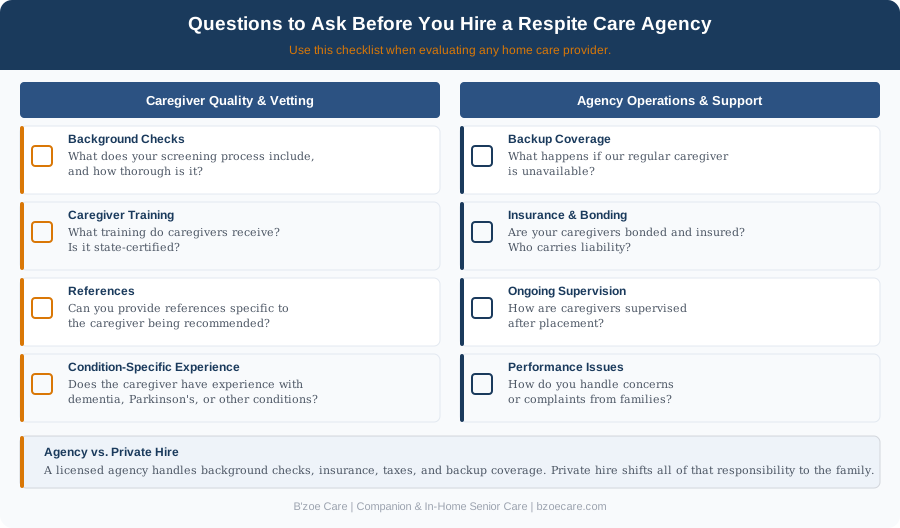
For families caring for a senior with dementia, Alzheimer’s disease, Parkinson’s disease, or another complex condition, ask specifically about the caregiver’s training and experience in that area. General caregiving experience is valuable, but condition-specific knowledge makes a meaningful difference in outcomes.
How to Introduce Respite Care to a Resistant Senior
One of the most common challenges families face is a senior who is resistant to the idea of having a stranger in the home. This resistance is almost always rooted in real, legitimate fears: fear of losing independence, fear of losing privacy, distrust of an unfamiliar person, or a worry about being handed off. Understanding that is the first step.
Why Seniors Push Back (and What It Actually Means)
Starting small makes a significant difference. Rather than introducing a respite caregiver and immediately leaving, plan the first several visits as introductory ones. The family caregiver stays present while the respite caregiver and the senior get acquainted, removing the pressure of the unknown and letting trust develop naturally.
Framing matters too. Instead of centering the conversation on what the senior cannot manage alone, focus the narrative on the caregiver’s own needs. Something as simple as “I need a little help so I can take better care of myself, and take better care of you” lands very differently than language that implies decline or loss of ability.
Consistency with the same caregiver accelerates the trust-building process considerably. Rotating through multiple respite caregivers early on is one of the most common mistakes families make. The senior needs time to learn one person before being introduced to another.
Simple Strategies That Make the Transition Smoother
Whenever possible, involve the senior in the selection process. Letting them have input on who comes into their home restores a sense of control that resistance often stems from. Even small choices, such as reviewing a caregiver’s background, agreeing to a trial period, or helping set the schedule, can make a meaningful difference in how the arrangement is received.
Finally, give the senior something to offer the caregiver. Ask them to share a skill, a recipe, a piece of family history, or a hobby they enjoy. Seniors who feel like they are contributing to the relationship rather than just receiving care tend to be far more open to the arrangement.
It shifts the dynamic from dependency to connection, which is exactly what good respite care is built on.
Taking the Break Your Family Actually Needs
Respite care is not a luxury. For family caregivers managing the physical, emotional, and logistical demands of caring for an aging parent or spouse, it is a necessity. The research is clear: caregivers who take regular breaks are healthier, more resilient, and provide better care.
And the seniors they love benefit too, gaining a trusted companion, enriched social connection, and the comfort of remaining in their own home.
If you have been putting off asking for help, consider this your permission. Burnout does not happen all at once. It creeps in slowly, and by the time most caregivers recognize it, they are already running on fumes.