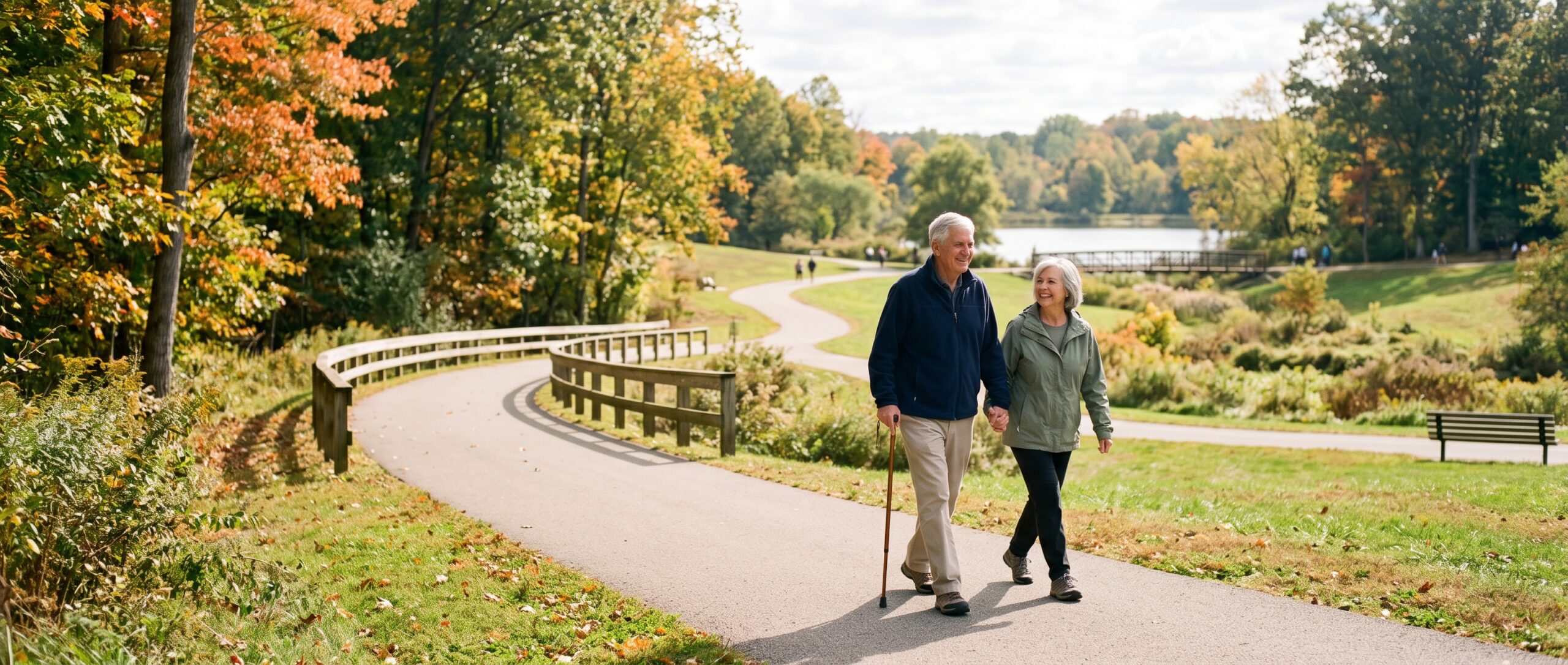
Managing chronic pain in seniors at home can be complicated and even a little scary, but it’s also incredibly rewarding. It can mean more freedom to move, whether that’s walking more easily or getting back to a favorite hobby without hesitation.
Chronic pain is common after years of wear and tear on joints and muscles, including arthritis, neuropathy, back pain, and osteoporosis, and older bodies are simply slower to heal. It’s also often underreported and undertreated: sometimes our loved ones can’t tell us they hurt. Dementia, trouble communicating, or being raised not to complain can all get in the way, so instead of saying “it hurts,” pain might show up as grunting, restlessness, or anger.
Often, powerful medications, opioids especially, get reached for first to fix pain fast. But older bodies don’t process drugs like younger ones do: aging kidneys and livers clear medication more slowly, so a dose that’s safe for a 40-year-old can build up in a 75-year-old, raising the risk of dizziness, confusion, and falls, and that risk climbs when someone’s already juggling several other prescriptions.
Keeping pain under control with as little medication as possible can mean a clearer head, fewer falls, and a better quality of life. Here’s where to start.
Movement as Medicine
One of the best ways to reduce pain without medication is to move more, not less. Think of it as oiling rusty hinges: rest too much and the joints just freeze up, adding to the pain. A physical or occupational therapist can find exercises that protect a tender joint while building strength and preventing falls. Walking, chair yoga, tai chi, and water aerobics are all great options for senior mobility support.
Case in point: a neighbor had hand surgery and was out of work for months. She moved a lot less than usual, and the more she sat, the more her hips hurt. Only once she returned to her normal routine did the pain ease.
Heat, Cold, Topical, and Mind-Body Techniques
Heat and cold work on pain the same way a good distraction works on a crying toddler: they don’t remove the problem, but they change what the nervous system is paying attention to. Heat loosens tight muscles and increases blood flow, while cold numbs the area and calms inflammation. Topical products with camphor, like Icy Hot or Bengay, do the same job, creating a hot or cold sensation strong enough to override the pain signal underneath it.
Skin gets thinner and more fragile with age, with less cushioning and slower blood flow to bounce back from a burn or bruise, and diabetes can damage the nerves that would normally sound the alarm before a heating pad goes from soothing to scalding. Test any heating pad or ice pack against the inside of a wrist first, wrap it in a thin towel instead of applying it directly, and check the skin every few minutes rather than leaving it in place.
Pain isn’t only physical, though, and that’s where mind-body techniques come in. Meditation calms the body’s stress response, which lowers muscle tension and the stress hormones that can turn up the volume on pain. Cognitive behavioral therapy works differently: it helps retrain the thought patterns, like catastrophizing or fixating on the pain, that make the brain more sensitive to pain signals over time.
Sleep, Nutrition, and Daily Habits That Influence Pain
Sleep and pain feed each other in a loop that’s hard to break. Deep sleep is when the body actually repairs tissue and resets its pain threshold, so a bad night doesn’t just leave someone tired, it leaves them more sensitive to pain the next day, which then makes it even harder to fall asleep that night. Breaking the cycle starts with protecting 7 to 8 restful hours: screens off two hours before bed, caffeine cut off by early afternoon, and a consistent wind-down routine each night.
Nutrition and hydration do similar work during the day. Seniors also dehydrate more easily than most people realize, and even mild dehydration thickens the fluid that cushions joints, making them stiffer and more painful. Anti-inflammatory foods like salmon, greens, and blueberries act like oil for those same joints, lowering the background inflammation that keeps pain simmering. And just as diet takes some of the physical load off the body, so can the right tools: a cane or a power jar opener protects painful joints from unnecessary strain while keeping your loved one independent.
Complementary Therapies Worth Considering
When the basics aren’t quite enough, a few complementary therapies are worth exploring alongside them. Acupuncture and massage both work by engaging the body’s own pain-relief systems: triggering natural pain-relieving chemicals or simply easing built-up muscle tension. TENS units take a more direct route: sticky pads placed around the painful area deliver a gentle electrical pulse that blocks pain signals before they reach the brain. The NIH has reviewed studies on all three and found mixed results, meaning they help some people more than others, so it’s worth trying with realistic expectations. Check with the doctor first, and make sure any practitioner involved is licensed.
When Medication Is Still Part of the Plan
Sometimes, even with all of the above in place, pain still isn’t relieved enough, and medication becomes part of the plan. That’s not a failure. Every patient is different, and the goal was always comfort and function, not a medication-free badge of honor. One common approach is titration: starting with the smallest effective dose and increasing it slowly until pain is controlled. Watch for red flags like worsening pain, listlessness, or depression along the way, and tell the doctor right away if they show up. Don’t stop medications or treatments without their guidance.
Nurse’s Note: Medication doesn’t just interact with other medication, it can interact with everyday food and drink too. Grapefruit, for instance, can dangerously spike or blunt the effect of certain drugs. It’s one more reason to loop in the doctor or pharmacist before adding anything new, so your loved one doesn’t have to give up the things they enjoy.
Supporting a Loved One Through Chronic Pain
You, the caregiver, are part of this team too, and in some ways the most important early-warning system it has. That means keeping an eye on mobility and pain signs, and gently encouraging activity instead of withdrawal just because “it hurts”: movement is medicine here too, and letting a loved one retreat from activity out of pain often makes the pain worse, not better. It also means watching for depression or hopelessness, since chronic pain and low mood tend to feed each other the same way pain and poor sleep do.
That’s a lot of responsibility, and there’s no shame in not handling all of it alone. If you need time off to avoid burnout, say so. In-home respite care exists for exactly this reason.
How In-Home Care Fits Into a Pain Management Plan
Everything above, movement, heat and cold, sleep, nutrition, medication, works best when it’s applied consistently, and that consistency is exactly what in-home care is built for. It keeps your loved one out of situations that raise infection risk or leave them confined to bed because moving hurts, all while keeping the pain plan on track day after day. Managing chronic pain in seniors means juggling a lot: symptom monitoring, routines that are easy to stick to, and steady support for mobility, and that’s exactly where B’zoe Care’s in-home care services come in, helping seniors and their caregivers manage chronic pain comfortably and safely at home.
Nurse’s Note: Every product and therapy mentioned here, from topical creams to TENS units to complementary therapies, can affect people differently depending on their health conditions and other medications. Check with the doctor or pharmacist before trying something new.
If you’re in Washington or Texas and want support building a pain management routine that works for your family, contact B’zoe Care today.