Finding the right in-home senior care provider isn’t just another task to check off your list. It’s one of the most important decisions you’ll make for your aging loved one. According to the AARP, 59 million family caregivers provide care to adults with limitations in daily activities, and many are seeking professional support to ensure their loved ones receive the compassionate care they deserve.
Choosing a caregiver involves far more than matching schedules and checking credentials. It’s about finding someone who will treat your loved one with dignity, respect their preferences, and become a trusted part of your family’s support system.
The process can feel overwhelming, especially when you’re already concerned about your loved one’s health and safety. This comprehensive guide will walk you through the essential steps to evaluate in-home senior care providers in your area, helping you make the best choice for your family.
How Do I Find a Reliable Caregiver?
Finding a reliable caregiver starts with understanding your options and knowing where to look. The most trustworthy path is working with licensed, reputable home care agencies that thoroughly vet their caregivers and provide ongoing support.
Start by asking for referrals from your doctor, hospital social workers, or friends who’ve used home care services. Local senior centers and Area Agencies on Aging can also provide recommendations. Online directories like Caring.com and the Home Care Association of America help you identify licensed agencies in your area.
The key is doing your homework—verify licenses, check reviews, and interview multiple providers. A reliable caregiver isn’t just qualified on paper; they’re someone who shows genuine compassion, communicates clearly, and consistently demonstrates professionalism. The rest of this guide will show you exactly how to identify these qualities.
Understanding the Types of In-Home Care Services
Understanding the different types of in-home care helps you match the right level of support to your loved one’s actual needs. The world of senior care is nuanced, and knowing these distinctions can save you significant challenges down the road.
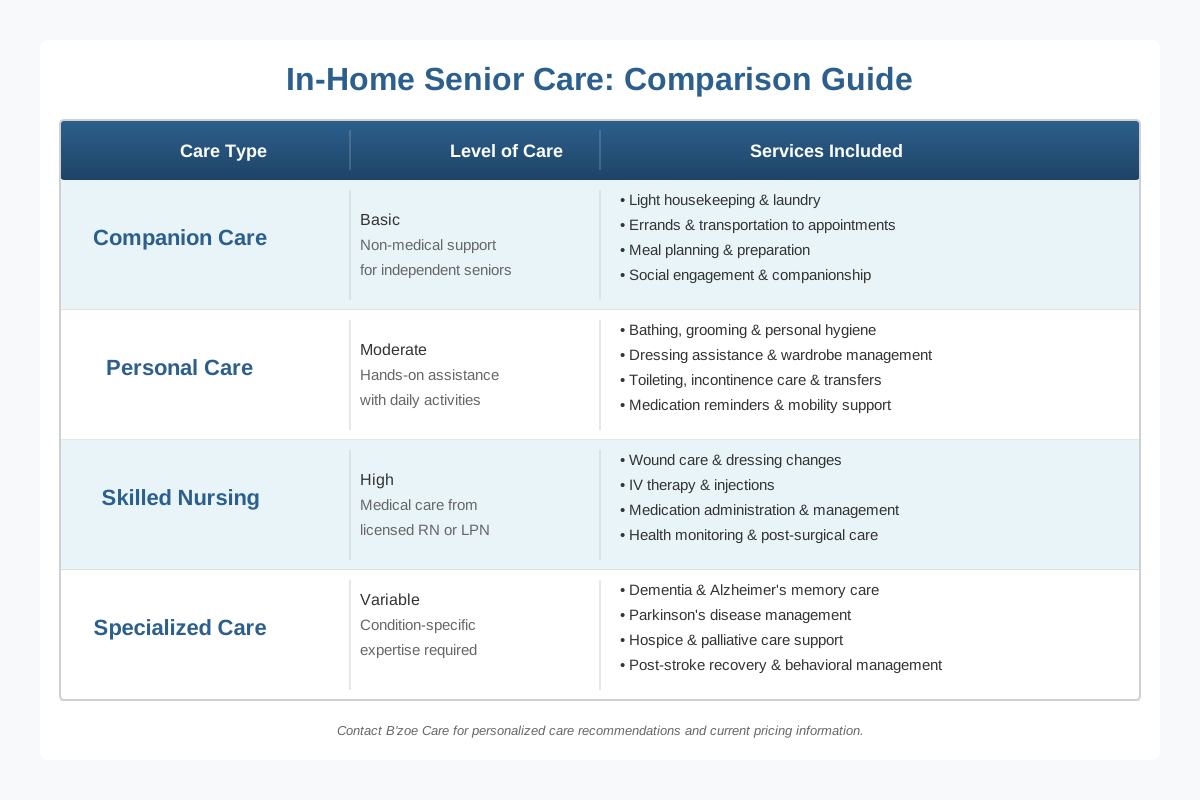
Companion Care: Light Assistance and Meaningful Connection
Companion care is perfect for seniors who are relatively independent but could use some friendly company and light assistance. This includes help with errands, accompaniment to doctor’s appointments, and meaningful social engagement. Companion caregivers typically don’t provide hands-on personal care, but they’re invaluable for combating loneliness and ensuring someone checks in regularly.
Personal Care Services for Daily Living Activities
Personal care steps things up significantly. These caregivers help with what the industry calls “activities of daily living” or ADLs: bathing, dressing, toileting, transferring (like getting in and out of bed), and eating. When seniors start struggling with these essential tasks, personal care becomes necessary for both safety and dignity.
Caregivers in this category provide hands-on assistance while promoting independence wherever possible. They understand the delicate balance between helping and empowering your loved one to do what they can for themselves.
When Is Skilled Nursing Care Required?
Skilled nursing care is the highest level of in-home medical support. This involves registered nurses or licensed practical nurses who can handle complex medical tasks like wound care, IV therapy, injections, or monitoring serious health conditions. Insurance often covers this type of care when it’s medically necessary and ordered by a physician.
What Specialized Care Options Exist for Specific Conditions?
Specialized care addresses specific conditions requiring targeted expertise. Dementia and Alzheimer’s care requires caregivers trained in memory care techniques, behavioral management, and creating safe environments for cognitively impaired seniors. Post-surgical care focuses on rehabilitation and following doctor’s orders during recovery.
Hospice support provides comfort care for those in their final months, focusing on dignity and pain management rather than cure. These specialized services require caregivers with additional training and experience in managing the unique challenges of each condition.
Beyond standard care types, ask if the agency offers specialized services for unique situations. For instance, some agencies provide “couples care” designed to support two people in one household simultaneously—ideal for aging couples who both need assistance but want to stay together in their own home. These specialized offerings demonstrate an agency’s commitment to meeting diverse family needs.
Agency vs. Independent Caregiver: Understanding the Difference
There’s an important distinction between hiring an independent caregiver versus going through an agency. Independent caregivers might be less expensive upfront, but families become responsible for all hiring, screening, payroll taxes, and backup arrangements if they call in sick.
Agencies handle these administrative burdens and typically provide substitutes when regular caregivers aren’t available. You’ll pay more for that convenience and peace of mind, but many families find the support structure invaluable. Understanding these distinctions helps you match the right type of care to your loved one’s actual needs, which ultimately saves money and ensures better outcomes.
What Are the Five Key Responsibilities of Caregivers?
Understanding what caregivers actually do helps you evaluate whether an agency or individual can meet your needs. The five core responsibilities of professional caregivers include personal care assistance (bathing, dressing, grooming), medication reminders and management, meal planning and preparation, companionship and social engagement, and safety monitoring throughout the home.
Quality caregivers go beyond checking boxes on a task list. They adapt to your loved one’s changing needs, communicate openly about concerns, and treat each person with respect and dignity. When evaluating providers, ask specifically how they train caregivers in each of these areas and how they ensure consistency across all five responsibilities.
Essential Credentials and Certifications to Look For
Credentials matter significantly when trusting someone with your parent’s wellbeing. Every state has different licensing requirements for home care agencies, and understanding what to look for protects your family. The credentials your caregiver should have depends on the level of care your loved one needs.
Verifying State Licensing Requirements
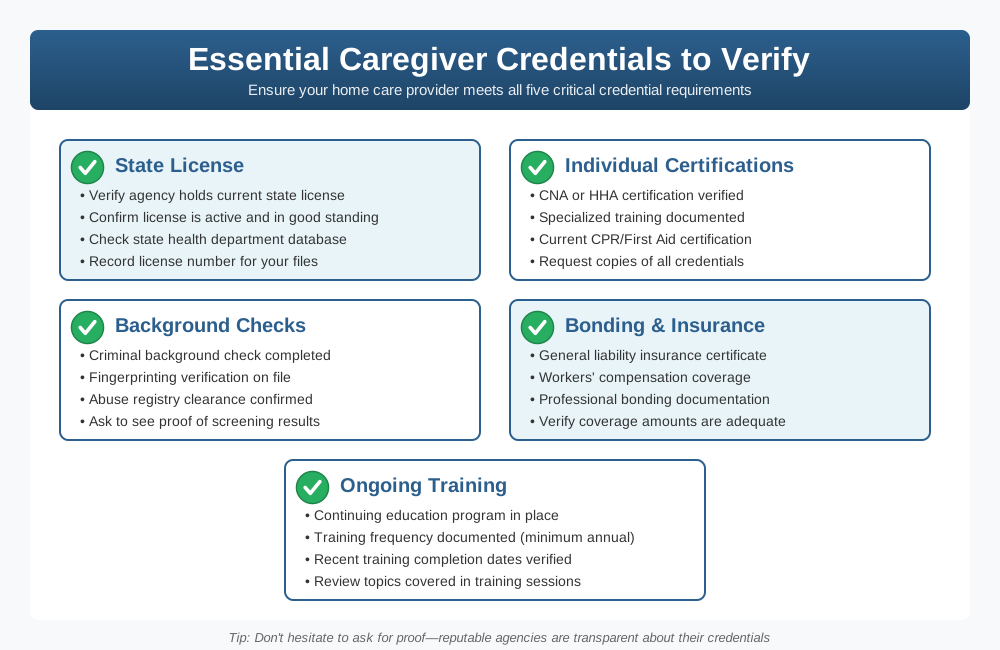
The first step is always to verify that the agency you’re considering actually holds a valid state license. You can usually check this online through your state’s health department website. Don’t skip this step—it’s your baseline assurance that the agency meets minimum state requirements for operation.
In Washington, all home care agencies must be licensed by the Department of Health. You can verify an agency’s license status by visiting the Washington State Department of Health’s Health Care Provider Credential Search or by calling their Customer Service Center at 360-236-4700. When searching, look for “Home Care Agency” or “Adult Day Health” licenses, and verify the license is active and in good standing with no disciplinary actions or conditions. B’zoe Care maintains full licensing in Washington and encourages families to verify our credentials as part of their evaluation process.
Understanding CNA, HHA, and Personal Care Aide Certifications
Individual caregiver certifications are where the rubber meets the road. CNAs (Certified Nursing Assistants) have completed formal training programs and passed state certification exams. They can provide personal care and basic health-related services under the supervision of a nurse.
HHAs (Home Health Aides) have similar training but often work specifically for Medicare-certified home health agencies. Personal care aides might have less formal training but can still provide excellent companionship and assistance with ADLs. Each certification level indicates different training and capabilities.
What Background Checks Should Caregivers Pass?
Comprehensive background checks are non-negotiable. You need to verify that caregivers have passed criminal background checks, including fingerprinting and checks against abuse registries. Don’t hesitate to ask to see proof!
Reputable agencies are transparent about their screening processes and happy to demonstrate their thoroughness. If an agency seems evasive about background checks, that’s a major red flag.
The Importance of Bonding and Insurance Coverage
The agency should carry general liability insurance and workers’ compensation coverage. If a caregiver gets injured in your home or something goes missing, proper insurance coverage protects everyone involved. This isn’t optional—it’s a fundamental requirement for any legitimate agency.
How Important Is Ongoing Training for Caregivers?
Ongoing training separates mediocre agencies from excellent ones. Healthcare is constantly evolving, and caregivers need continuing education to stay current on best practices, new techniques, and emerging safety protocols.
Ask how often caregivers receive additional training and what topics are covered. The best agencies invest heavily in their staff’s professional development because they know it translates to better care for your loved one. Don’t just take the agency’s word for their credentials—verify everything!
Critical Questions for Your Initial Consultation
Your initial consultation is your opportunity to dig deep and really understand how agencies operate. Come prepared with pointed questions that reveal their true commitment to quality care. This conversation sets the foundation for your entire relationship.
How Do You Match Caregivers with Clients?
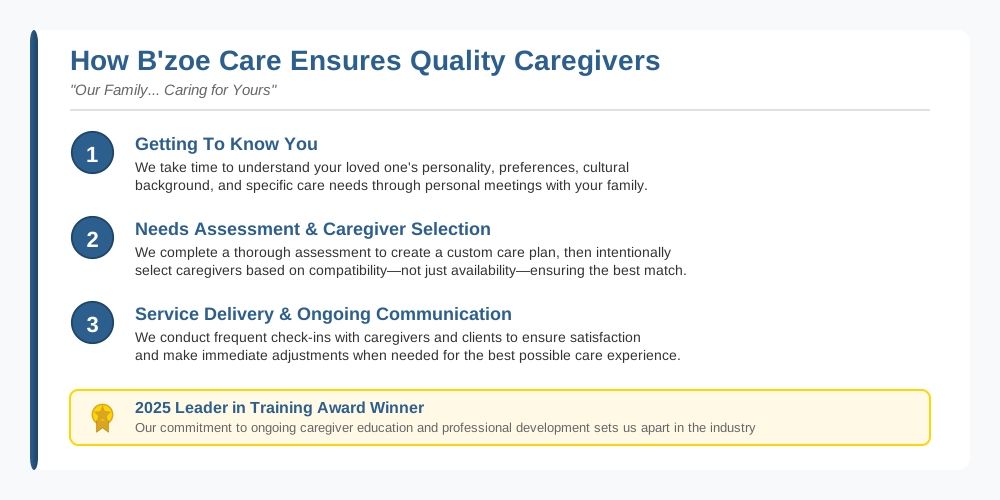
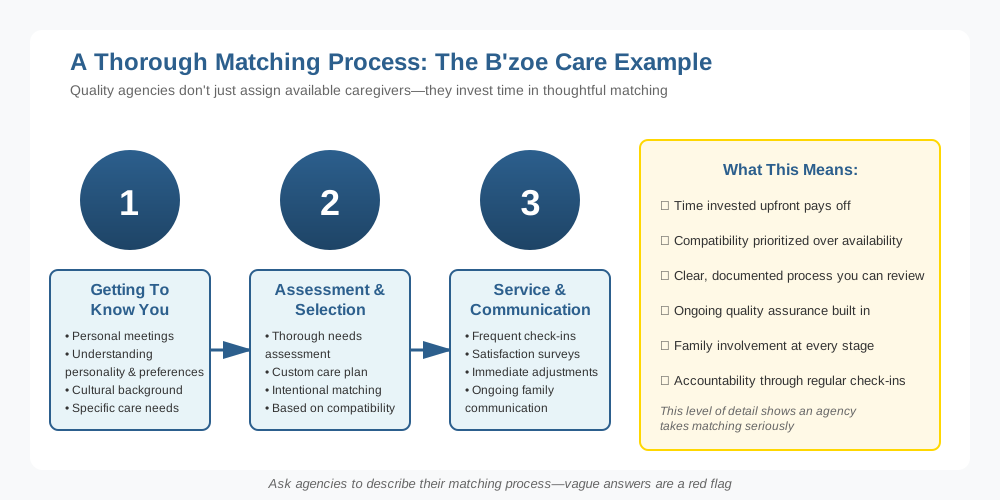
This is one of the most critical questions to ask. Some agencies simply assign whoever’s available on the schedule, which can lead to terrible mismatches. Quality agencies take time to understand your loved one’s personality, preferences, cultural background, hobbies, and specific care needs.
They then intentionally pair your family member with a compatible caregiver. The best matches consider everything from communication styles to shared interests, creating a foundation for a meaningful relationship rather than just a service transaction.
Quality Assurance and Supervision Standards
Understanding supervision is absolutely critical. You need to know: How often does a supervisor visit your home to observe care? Who reviews caregiver performance? What happens if there’s a concern about quality?
The best agencies have registered nurses or social workers who conduct regular home visits, review care plans, and check in with families to ensure everything’s going smoothly. This oversight ensures accountability and catches small issues before they become big problems.
What Happens When My Regular Caregiver Is Unavailable?
Backup caregiver availability is crucial. What happens when your regular caregiver calls in sick or goes on vacation? Some agencies scramble to find substitutes at the last minute, leaving families stressed and seniors confused.
Better agencies maintain adequate staffing levels and introduce backup caregivers ahead of time so there’s already familiarity if a substitution is needed. Make sure they explain their emergency protocols too—what happens if there’s a crisis at 2 AM?
How Will We Stay Connected About Care?
Communication systems can make or break the caregiving experience. How do caregivers document daily activities? How quickly can you reach someone if you have a question or concern? Is there a family portal where you can check notes?
Can you text or email the care coordinator? Modern agencies offer sophisticated communication tools that keep families informed and connected, creating transparency and peace of mind.
Transparent Pricing and Hidden Fees to Watch For
Get crystal clear on pricing from the start. What’s included in the base rate? Are there extra fees for weekends, holidays, or specialized tasks? How much notice do you need to give for schedule changes?
What’s the cancellation policy if your loved one ends up in the hospital? Hidden fees and surprise charges can destroy your budget and your trust in the agency. Demand transparency about every aspect of pricing!
Evaluating Caregiver Qualifications and Experience
When meeting potential caregivers, dig deeper than surface-level credentials and pleasant demeanor. The qualifications and experience of the person who will be caring for your loved one daily matters more than almost anything else.
Why Years of Experience Matter
Years of experience definitely matter, though they’re not the whole story. Experience translates to better crisis management, more confidence in handling challenging situations, and a deeper understanding of senior needs. Ask specifically about their experience with conditions similar to your loved one’s situation.
Someone who’s worked extensively with dementia patients will bring skills that a caregiver who’s mostly done post-surgical care might not have. Context matters as much as quantity when it comes to experience.
What Specialized Training Should Caregivers Have?
Specialized training is essential for specific conditions. If your loved one has Parkinson’s disease, you want a caregiver who understands the movement challenges, medication timing, and fall risks that come with that diagnosis.
Diabetes management requires knowledge about blood sugar monitoring, medication administration, and recognizing signs of dangerous blood sugar swings. Don’t assume that general certification means competency with your loved one’s particular health challenges.
Checking References Effectively
References are invaluable sources of information. When calling references, ask specific questions: “How did the caregiver handle stressful situations? Was the caregiver reliable about showing up on time? Did your loved one actually enjoy spending time with this person?”
These conversations reveal real-world performance beyond what appears on a resume. Don’t settle for generic references—push for specific examples and honest assessments.
Cultural Compatibility and Language Considerations
Cultural competency and language capabilities are more important than many families realize. If your loved one speaks a language other than English as their primary tongue or grew up in a specific cultural context, having a caregiver who shares that background can make care feel more comfortable and dignified.
Food preferences, religious practices, communication styles—all these things matter when someone is spending hours in your loved one’s intimate personal space. Cultural understanding creates connection that transcends basic caregiving tasks.
How Important Is Personality Fit?
Personality fit is absolutely crucial but often undervalued. The most qualified caregiver in the world won’t be effective if there’s a personality clash. Does the caregiver have a sense of humor that meshes with your loved one’s? Are they naturally patient and calm, or more energetic and chatty?
Do they respect boundaries while still being warm? During interviews, observe how caregivers interact with your loved one. Do they talk down to them or treat them as equal adults? Do they listen when they speak or just wait for their turn to talk? Trust your instincts—you know your loved one better than anyone!
What Are the Three Most Important Characteristics of a Good Caregiver?
While caregivers need many qualities, three characteristics stand above the rest: compassion, reliability, and strong communication skills. Compassion means treating your loved one with genuine empathy and respect, recognizing their dignity even when helping with intimate tasks. It’s the difference between a caregiver who sees a job and one who sees a person.
Reliability encompasses punctuality, consistency, and follow-through. A caregiver who shows up on time, follows care plans precisely, and can be counted on during challenges provides the stability seniors need. Strong communication skills ensure the caregiver can listen to your loved one’s needs, explain care activities clearly, and keep families informed about any changes or concerns.
Understanding the 5 C’s of Quality Caregiving
The caregiving industry often references the “5 C’s” as a framework for excellence: Compassion, Competence, Confidence, Commitment, and Communication. These five qualities work together to create exceptional care experiences. Compassion drives the emotional connection, while competence ensures technical skills are solid.
Confidence helps caregivers handle unexpected situations calmly, and commitment means they’re dedicated to your loved one’s wellbeing beyond just collecting a paycheck. Communication ties everything together, ensuring transparency with families and understanding with seniors. When interviewing caregivers, look for evidence of all five C’s through specific examples from their experience.
Red Flags That Should Make You Reconsider a Provider
Certain warning signs should immediately raise concerns about a provider’s legitimacy and quality. Recognizing these red flags early can save you from serious problems down the road and protect your loved one from substandard care.
What If an Agency Won’t Provide References or Background Check Details?
The biggest red flag? An agency that’s unwilling to provide detailed references or seems evasive when you ask about background checks. Legitimate agencies are proud of their screening processes and happy to prove they’re thorough.
If they’re dodging your questions, there’s usually a reason. No exceptions—transparency about safety measures is fundamental to trustworthy care.
Pressure Tactics and Rushed Decision-Making
Pressure tactics are another huge warning sign. Any agency that tries to rush you into signing a contract, insists you need to decide immediately, or makes you feel bad for wanting to shop around is not operating in your best interest.
Quality agencies understand that this is a major decision and they respect families who need time to evaluate options. High-pressure sales techniques suggest they care more about closing deals than providing excellent care.
What Do Vague Answers About Training Mean?
Vague answers about caregiver training and supervision should raise concerns. “We train our caregivers very well!” isn’t good enough. What specific training do they receive? How many hours? What topics are covered? How often are refresher courses provided?
Who supervises caregivers and how frequently? If an agency can’t or won’t give you detailed, specific answers to these questions, training and supervision probably aren’t priorities.
Why Is Lack of Written Agreements a Problem?
Lack of transparent pricing or written service agreements is a serious problem. Everything should be clearly spelled out in writing before you sign anything. The hourly rate, minimum hours, overtime charges, holiday rates, cancellation policies, payment schedules, contract length, and termination terms should all be crystal clear.
Get it all in writing and read every word before signing! Verbal agreements mean nothing when disputes arise.
High Caregiver Turnover: A Major Warning Sign
High caregiver turnover is a massive red flag that the agency doesn’t treat its employees well. Caregivers who are overworked, underpaid, or unsupported can’t provide excellent care—they’re too burned out and stressed.
Ask directly about turnover rates. If caregivers are constantly leaving, there’s usually a systemic problem with how the agency operates. Stable, happy caregivers provide better, more consistent care for your loved one.
What Other Warning Signs Should I Watch For?
Watch out for agencies that can’t provide proof of proper licensing and insurance, that have numerous complaints with the Better Business Bureau or state regulatory agencies, or that have been cited for violations. These are objective measures of problems you definitely want to avoid.
If something feels off during your evaluation process, trust that instinct. Your gut reaction combined with objective red flags creates a complete picture of whether an agency is trustworthy.

Assessing an Agency’s Reputation and Track Record
In today’s digital age, thorough research on an agency’s reputation is essential and accessible. Multiple sources of information can help you build a complete picture of an agency’s track record and reliability.
Reading Online Reviews Critically
Online reviews are a great starting point, but read them critically. Look at platforms like Google Reviews, A Place for Mom, and AgingCare. Don’t just look at the star rating—read the actual reviews, especially the negative ones.
How does the agency respond to criticism? Do they take responsibility and offer to make things right, or do they get defensive and make excuses? An agency that professionally addresses complaints and works to resolve issues demonstrates genuine commitment to quality.
Checking State Regulatory Compliance
State regulatory compliance is non-negotiable. Most states have databases where you can search inspection records, compliance issues, and any citations or violations. These records are public information, and checking them takes just a few minutes but can save you from serious problems.
Look for patterns—one minor citation years ago is very different from multiple recent violations. State records provide unbiased facts about an agency’s regulatory history.
Do Industry Awards and Certifications Matter?
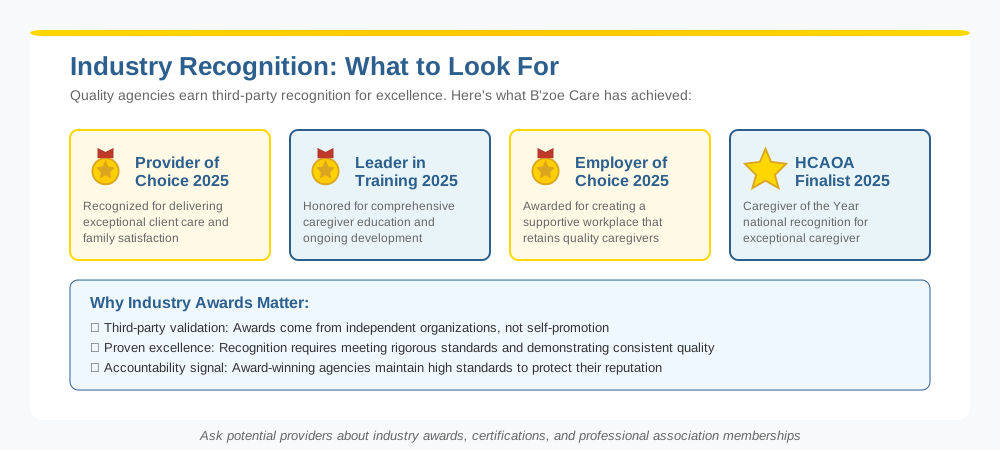
Awards, certifications, and industry recognition can indicate that an agency goes above and beyond minimum standards. Things like Joint Commission accreditation, Home Care Association membership, or local awards suggest commitment to excellence.
However, verify any claims about awards or special designations rather than taking marketing materials at face value. Real awards come with verification that you can confirm independently.
Does How Long an Agency Has Been in Business Matter?
While newer agencies can certainly be excellent, longevity indicates stability and a proven track record. An agency that’s been serving your community for ten or fifteen years has demonstrated their ability to provide consistent quality and build lasting relationships.
They’ve survived economic ups and downs, adapted to regulatory changes, and maintained their reputation over time. That history matters.
Who Should I Ask About Local Reputation?
Community reputation provides important context. Ask your doctor, hospital social workers, or senior center staff if they’re familiar with the agency. Talk to friends or family members who’ve used home care services.
Local professionals who work with seniors often know which agencies have good reputations and which ones to avoid. Their inside perspective complements public information sources. Do your research thoroughly—it really does pay off!
Understanding Service Agreements and Contract Terms
Understanding your contract is absolutely crucial before signing anything. The fine print protects you and your loved one, so taking time to thoroughly review service agreements isn’t just smart—it’s essential for avoiding costly surprises and disputes.
What Are Minimum Service Hour Requirements?
Minimum service hour requirements can lock you into more care than you actually need. Some agencies require a minimum of four hours per visit, even if your loved one only needs two hours of assistance.
This can significantly inflate costs! Ask upfront about minimum requirements and ensure they align with your actual needs. Don’t pay for hours you don’t need just because of inflexible minimums.
Scheduling Flexibility and Change Policies
Scheduling flexibility becomes important quickly. What if your loved one has a doctor’s appointment and you need to shift the caregiver’s schedule? Can you make temporary schedule changes without penalties? What about permanent changes if your needs evolve?
Life with an aging loved one is unpredictable, and your contract should allow for reasonable flexibility. Rigid scheduling policies create unnecessary stress during already challenging times.
What Are the Cancellation Policies?
Cancellation policies vary widely between agencies. Some require 24 hours notice to avoid charges, others want 48 or even 72 hours. Holiday cancellations often require even more notice.
Make sure you understand exactly what notice period is required and what happens if you cancel with shorter notice. Unexpected hospitalizations happen—your contract should account for these realities.
Understanding Rate Increases and Price Changes
Rate increases should be clearly spelled out in your contract. Can the agency raise rates whenever they want? Is there a maximum increase per year? How much notice will they provide before rates change?
Good agencies limit rate increases to once per year and provide substantial advance notice, like 60 or 90 days. Unpredictable pricing makes budgeting impossible and erodes trust.
What If There’s a Dispute?
Dispute resolution procedures need to be clearly defined. If there’s a problem with care or billing, what’s the process for addressing it? Who do you contact? What’s the timeline for getting issues resolved?
Is there an escalation process if initial complaints aren’t addressed satisfactorily? Having these procedures in writing protects both you and the agency.
What Happens If I Want to End the Contract?
Termination terms are absolutely crucial to understand before signing. What’s required if you want to end the contract? One week’s notice, two weeks, 30 days? Are there any penalties for early termination?
What if the agency wants to discontinue service? What notice do they have to provide? Don’t sign anything until you’ve read every single word, understood every clause, and gotten clarification on anything that’s unclear. This contract is your protection!
Conducting Effective In-Person Interviews and Meet-and-Greets
In-person meetings allow you to truly assess whether someone will be a good fit for your family. This face-to-face interaction reveals far more than resumes and phone conversations ever could about compatibility and caregiving style.
What Questions Should I Prepare in Advance?
Prepare your questions in advance. Create a list that covers everything from specific caregiving experience to how they handle emergencies to what they enjoy about working with seniors.
Having questions written down ensures you don’t forget important topics and lets you compare answers across different candidates more objectively. Treat this like a job interview—because that’s exactly what it is.
Observing Interaction Style and Communication
Watch how the caregiver interacts with your loved one from the very first moment. Do they make eye contact? Do they introduce themselves warmly but respectfully? Do they speak to your loved one as an adult or use condescending language?
Do they listen attentively? These first impressions reveal a lot about their natural caregiving style and whether they’ll treat your family member with dignity. Body language and tone matter as much as words.
The Importance of Punctuality and Professionalism
Punctuality and professionalism matter! If someone shows up late to an interview without calling ahead, that’s probably indicative of their work habits. Are they dressed appropriately? Do they seem prepared for the meeting?
Do they have questions for you, showing genuine interest in the position? These details indicate overall professionalism and commitment. First impressions aren’t everything, but they’re definitely something.
How Do I Involve My Loved One in the Decision?
Involve your loved one in the decision-making process as much as possible. After all, they’re the one who’ll be spending time with this caregiver. Even if your loved one has some cognitive decline, they can usually express preferences about who feels comfortable to them.
Their gut reactions are often spot-on. Respect their input and make them feel like partners in this decision, not passive recipients of care.
What Situation-Specific Questions Should I Ask?
Ask situation-specific questions that reveal how the caregiver thinks and problem-solves. “What would you do if my mother refused to take her medication?” or “How would you handle it if my father became agitated or confused?”
Their answers will show you whether they have practical strategies and good judgment. Caregivers who acknowledge when they’d need to call for backup or consult with a supervisor demonstrate wisdom, not weakness.
Should I Arrange a Trial Period?
Consider arranging a trial period or a few supervised visits before committing long-term. Many agencies allow for this compatibility testing. You might do a few short visits while you’re home and can observe the interaction, then gradually transition to leaving them alone together.
This staged approach gives everyone time to get comfortable. Pay attention to how you feel after the interview—your intuition is valuable data!
Navigating Insurance Coverage and Payment Options
Understanding payment options can help you plan financially for in-home care. The landscape of insurance coverage and payment sources can be confusing, but knowing your options makes budgeting more manageable.
Medicare Coverage for In-Home Care
Medicare coverage for in-home care is quite limited. Medicare will cover skilled nursing services and some therapy services if they’re medically necessary and ordered by a doctor, like after a hospital stay or for wound care.
But it won’t pay for the custodial care that most seniors need, like help with bathing, dressing, or companionship. There are strict requirements about the type of care, frequency of visits, and which agencies can provide Medicare-covered services.
Can Medicaid Help Pay for Home Care?
Medicaid is more helpful for long-term in-home care, but you must meet income and asset requirements, which vary by state. Many states have Medicaid waiver programs specifically designed to help seniors receive care at home instead of in nursing facilities.
However, there are often waiting lists, and the application process can be bureaucratic and time-consuming. Start this process early if your loved one might qualify!
Making the Most of Long-Term Care Insurance
Long-term care insurance is wonderful if your loved one has a policy, but you need to understand exactly what’s covered. Read that policy carefully! Some policies have waiting periods before benefits kick in, some have daily or lifetime maximum benefits, and some only cover care from certain types of agencies.
Clarify every detail before starting services to maximize benefits. Don’t assume anything about coverage—verify everything with the insurance company.
What Veterans Benefits Are Available?
Veterans benefits are often overlooked but can be incredibly valuable! The Aid and Attendance benefit can provide substantial monthly payments to help veterans or their surviving spouses pay for care.
You have to navigate some VA paperwork, but veterans service organizations can help you through the process for free. It’s absolutely worth investigating if your loved one served in the military.
Private Pay Options and Payment Plans
Private pay arrangements are what most families end up using, at least for part of their care costs. Understanding the agency’s payment policies becomes really important. Do they require upfront payment or bill after services? Do they accept credit cards or just checks?
Are there payment plans available? Some agencies offer slight discounts for clients paying for full-time care or committing to long-term contracts. Ask about all payment options before committing.
How Much Does Private Home Care Cost Per Hour?
Private home care costs vary significantly by location, level of care, and agency. Nationally, families can expect to pay between $25 to $50 per hour for companion care and personal care services, with skilled nursing care ranging from $50 to $100+ per hour. Urban areas typically cost more than rural communities.
Specialized care for conditions like dementia or post-surgical recovery may command higher rates due to additional training requirements. Live-in care, while seeming expensive daily, often costs less per hour than hourly services when calculated over 24 hours. Contact local agencies directly for accurate pricing in your area, as rates can differ substantially even between neighboring cities.
Can I Combine Multiple Payment Sources?
Many families end up using a combination of payment sources. You might have long-term care insurance covering 20 hours per week, a VA benefit providing $1,000 per month, and private pay covering the rest.
Make sure the agency you choose can handle this complexity and work with multiple payers. Consider consulting with an elder law attorney or a geriatric care manager about the financial aspects—they know all the programs, benefits, and strategies that might apply to your situation.
Ongoing Monitoring and Quality Assurance After Hiring
Your job doesn’t end once you’ve hired a caregiver. Ongoing monitoring is essential to ensure your loved one continues receiving quality care. Active involvement maintains high standards and quickly addresses any issues that arise.
Establishing a Regular Check-In Schedule
Regular check-ins should be part of your routine. Visit during caregiving hours, sometimes announced and sometimes as a surprise. This allows you to observe the caregiver-client relationship in action.
Are they engaged in meaningful activities? Does your loved one seem happy and comfortable? Is the house clean and orderly? These visits help catch and address minor issues before they become major problems.
What Communication Protocols Should We Establish?
Family communication protocols need to be established from day one. How often will the caregiver or care coordinator update you? What method works best: phone calls, texts, emails, or an app?
What kinds of things should be reported immediately versus in routine updates? Clear communication systems prevent misunderstandings and ensure you stay informed. Consistency in updates builds trust and keeps everyone on the same page.
Care Plan Reviews and Adjustments
Care plan reviews should happen regularly, especially in the first few months but also ongoing as your loved one’s needs change. Is the current level and type of care still appropriate? Have new needs emerged that require adjusting the plan?
Are there activities or approaches that aren’t working well? The best agencies schedule formal care plan reviews every 90 days, but you should feel empowered to request a review anytime it’s needed.
Performance Evaluation and Accountability Systems
Performance evaluation systems help ensure accountability. How is caregiver performance being monitored and assessed? Are families surveyed about their satisfaction? Are there quality metrics being tracked?
Some agencies have supervisors who make surprise visits to observe care quality. Others review caregiver documentation looking for red flags. Understanding the agency’s quality assurance processes ensures someone is paying attention beyond your own monitoring.
How Should I Address Concerns?
Address concerns promptly. Don’t let issues fester! If something bothers you, speak up. Maybe the caregiver is frequently late, or you notice your loved one seems withdrawn, or medication isn’t being documented properly.
These concerns need to be communicated to the agency right away. Good agencies want to know about problems so they can fix them. Quick communication prevents small issues from becoming major problems.
What If the Caregiver Match Isn’t Working?
Sometimes despite everyone’s best efforts, a caregiver-client match just doesn’t work out. Don’t feel guilty about requesting a change! You’re not being unreasonable—you’re advocating for your loved one’s wellbeing.
Agencies should have a process for transitioning to a new caregiver that minimizes disruption. The right match matters more than maintaining the status quo when it’s not working.
Keeping Detailed Records and Documentation
Documentation is your friend! Keep records of all communications with the agency, any concerns you’ve raised and how they were addressed, billing statements, and care notes.
If you ever need to dispute a billing issue or demonstrate that you communicated a concern, having this documentation is invaluable. Stay engaged and involved—the best outcomes happen when families and agencies work as partners!
Making the Right Choice for Your Family
Choosing the right in-home senior care provider is a journey that requires patience, thorough research, and careful evaluation. Remember, you’re not just hiring someone to help with daily tasks—you’re inviting a professional into your loved one’s life who will impact their comfort, dignity, and overall well-being.
Trust your instincts throughout this process! If something feels off during your evaluation, it probably is. The best care providers will be transparent, communicative, and genuinely invested in your family’s satisfaction.
Don’t settle for less than excellence when it comes to your loved one’s care. Take the time to ask tough questions, verify credentials, and ensure the agency or caregiver aligns with your family’s values and expectations.
Your due diligence now will pay dividends in peace of mind and quality care for years to come. At B’zoe Care, our family understands the weight of this decision—because we know what it means to care for yours. Start your search today by reaching out to reputable agencies in your area and scheduling consultations. Your loved one deserves compassionate, professional care from people you can trust.
Ready to Find the Right Care for Your Loved One?
If you’re in one of our service areas (Washington and Texas, currently) contact B’zoe Care today for a free consultation. Let our family help you care for yours with the compassion, professionalism, and expertise your loved one deserves.