Dementia affects millions of families, and the questions it raises, about what it is, what to look for, and how to help, can feel overwhelming. Understanding the disease clearly is the first step toward making good decisions for your loved one. Caregivers at B’zoe Care are trained specifically in dementia care, and this guide offers a practical overview of everything families should know.
What Is Dementia?
Dementia is not a single disease. It is a broad medical term that groups together several conditions affecting memory, reasoning, and the ability to manage daily tasks. More than 6 million Americans are currently living with some form of dementia, and that number continues to grow as the population ages.
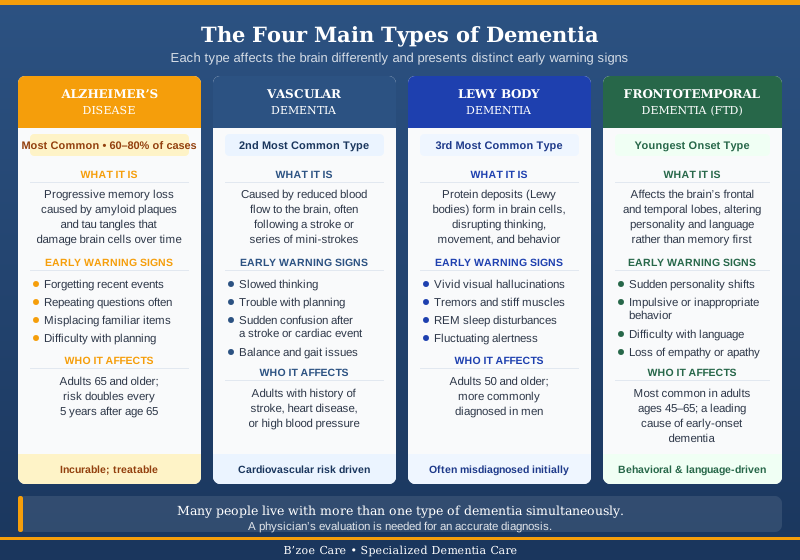
Alzheimer’s Disease is by far the most common form, accounting for the large majority of all diagnosed cases. It is progressive and, at this time, has no known cure, though researchers have made significant strides in developing treatments that slow its progression. Other forms include vascular dementia, Lewy body dementia, and frontotemporal dementia, each presenting differently and affecting patients in distinct ways.
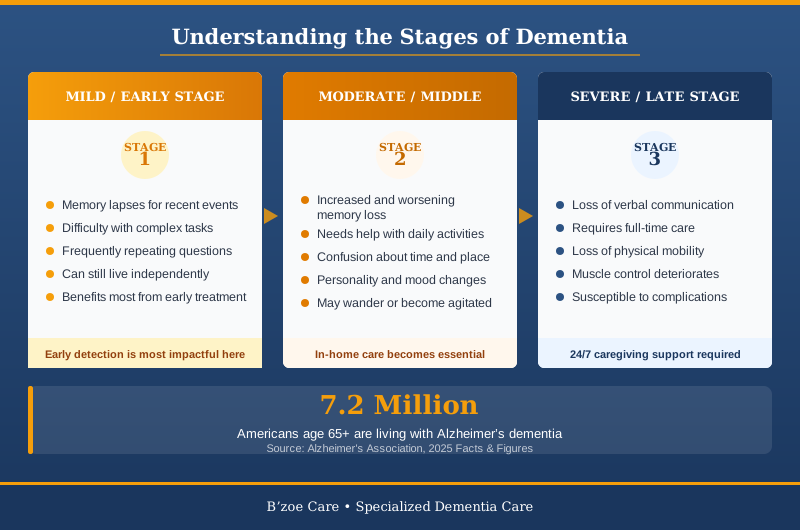
Dementia most commonly affects adults 65 and older, though early-onset cases do occur in younger individuals. The disease moves through stages, each one gradually reducing a person’s ability to care for themselves. In its most advanced stages, dementia can become life-threatening as it begins to affect muscle control and the body’s ability to regulate its own internal processes.
Research on dementia has been ongoing for decades and has produced real results, including earlier detection tools and medications that can significantly slow progression. A diagnosis today does not look the same as it did 20 years ago. With the right support, many patients maintain a meaningful quality of life for years after their initial diagnosis.
Is It Normal Aging, or Something More?
One of the most widespread misconceptions about dementia is that it is simply a natural part of getting older. It is not. Memory changes with age, and that is normal, but those changes are mild and rarely interfere with a person’s ability to function independently. Dementia involves a level of cognitive decline that is significantly more disruptive, and more progressive.
The distinction matters because early intervention is one of the most effective tools available. When dementia is caught in its earlier stages, treatment options are broader, medications work more effectively, and patients can often maintain independence for much longer. Recognizing the warning signs, and knowing which ones warrant a call to the doctor, is something every family member should understand.
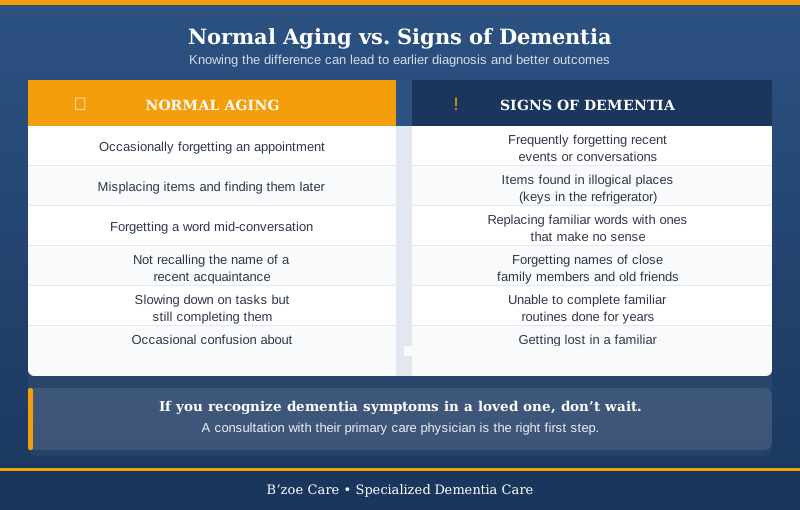
Here is a useful way to tell the difference at a glance:
Typical age-related memory changes:
- Occasionally forgetting a recent event or appointment
- Misplacing an item and finding it later
- Struggling to recall a word mid-conversation
- Not remembering the name of someone met recently or infrequently
Signs that may indicate dementia:
- Getting lost in a familiar neighborhood or setting
- Replacing common words with ones that make no sense
- Forgetting the names of close family members or longtime friends
- Struggling to recall long-term memories
- Forgetting how to complete tasks done routinely for years
- Misplacing items in locations that make no logical sense (keys in the refrigerator, for example)
If those second-column symptoms sound familiar, do not wait to act. A consultation with your loved one’s primary care physician is the right first step. Early diagnosis opens the door to earlier treatment, and that timing can make a significant difference in how the disease progresses.
What Are the Different Types of Dementia?
What Are the Treatment Options for Dementia?
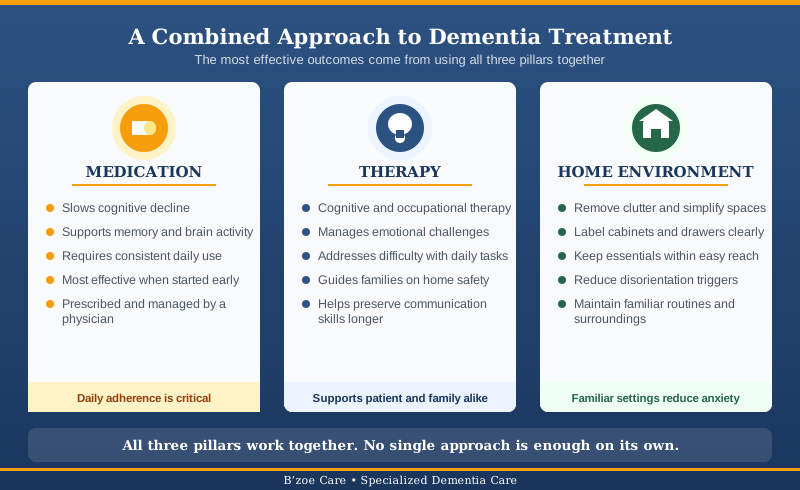
There is currently no cure for dementia, but treatment options are more effective today than they have ever been. Research has produced several proven approaches that slow the progression of the disease, preserve cognitive function longer, and help patients maintain a better quality of life. Caught early, dementia can often be managed effectively for years.
Medication is one of the primary tools. Certain drugs have been shown to slow cognitive decline while supporting memory and brain activity. When taken consistently and as prescribed, these medications can make a measurable difference in how quickly the disease progresses, which is why adherence to a daily medication schedule is so important.
Therapy is equally valuable. Cognitive and occupational therapists help seniors manage the emotional challenges of the diagnosis while working through daily tasks that are becoming difficult. A skilled therapist or professional caregiver can also work with families to modify the home environment in ways that reduce confusion and improve safety, without making the space feel clinical or unfamiliar.
Simple home modifications often have a surprising impact. Removing clutter from kitchen drawers, labeling cabinets, and keeping daily essentials within easy reach all reduce the mental load for someone with dementia. When the environment is set up to support their needs, patients are less likely to become frustrated, disoriented, or overwhelmed. The combination of medication, therapy, and environmental adjustments has consistently shown the strongest results in slowing progression and maintaining quality of life.
How In-Home Care Supports Dementia Patients
For families navigating a dementia diagnosis, one of the most important decisions is identifying what kind of ongoing support makes sense. When daily tasks become too difficult to manage independently, in-home care is often the preferred option because it allows seniors to remain in the comfort and familiarity of their own home.
Familiar surroundings matter for dementia patients in particular. Consistent routines, recognizable spaces, and known environments can help keep symptoms more stable and reduce feelings of confusion or anxiety. Moving a person with dementia to a new setting often accelerates disorientation, which is why maintaining the home environment is a recognized component of dementia care.
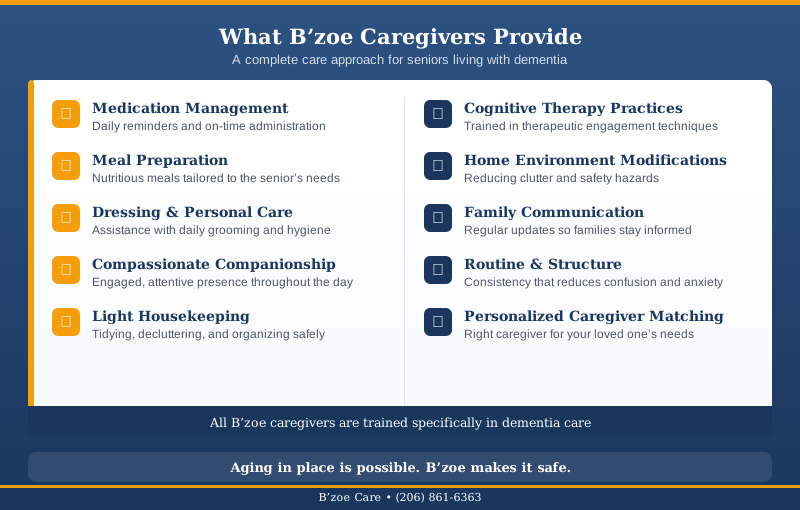
B’zoe Care provides trained caregivers who travel directly to your loved one’s home and assist with the tasks of daily life. Services include light housekeeping, companionship, meal preparation, dressing assistance, and more. All B’zoe caregivers are trained specifically in dementia care, including therapy practices, home decluttering strategies, and environmental modifications that make daily life easier and safer.
Medication management is another critical piece of the care picture. B’zoe caregivers ensure that medications are taken on time, every day, so they can work as effectively as possible. Consistent medication adherence is one of the most impactful things a professional caregiver can do to slow the progression of the disease. Families who partner with an in-home caregiver gain peace of mind knowing their loved one is safe, supported, and receiving consistent, compassionate care at home.
If you are looking for dementia care support for a loved one, B’zoe Care is here to help. We are a woman-owned business that has supported hundreds of seniors in living comfortably and safely at home. We work with families through a personalized consultation to match your loved one with the right caregiver. Call us today to get started: (206) 861-6363.